
Last updated on July 29th, 2026 at 04:40 pm
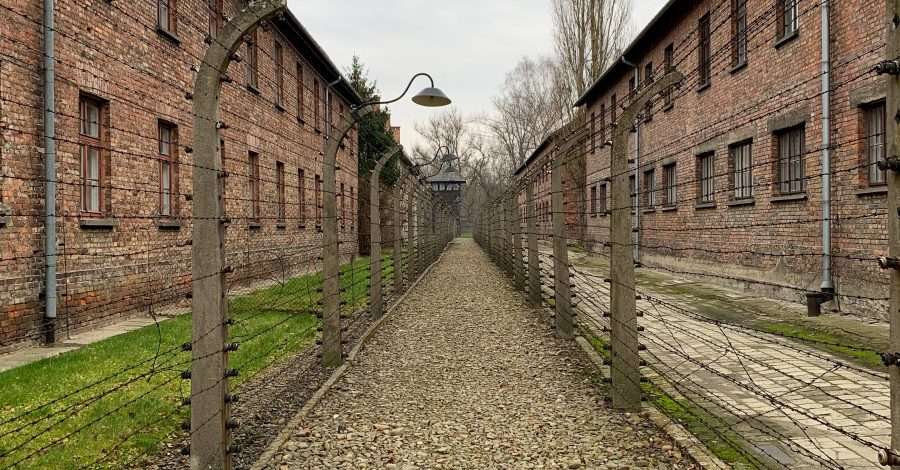
Auschwitz is a name that doesn’t require any introduction. A place of such unimaginable suffering, this former German Nazi concentration and extermination camp is now both a museum and a memorial to those who suffered there and a reminder of the horrors that human beings are quite capable of inflicting on one another.
A day trip to Auschwitz Birkenau State Museum (as it is known) from Kraków, Poland is a truly memorable experience and one that I would definitely recommend. In this post I’ll share my view on the best way to visit Auschwitz, what you can expect to see when you’re there and offer some advice for getting the most from your visit.
A Brief History
Auschwitz-Birkenau concentration camp is located in the town of Oświęcim, approximately 70 kilometres west of Kraków. Auschwitz is the German name used following the Nazi invasion of Poland in 1939.
Oświęcim has a long, rich history. It was an important commercial centre in the Middle Ages, has been the capital of an independent dukedom, part of Poland, part of Austria before becoming part of Poland following World War One. The Nazis annexed the region in 1939.
Two Camps
The Auschwitz-Birkenau complex comprises two camps:
Auschwitz I
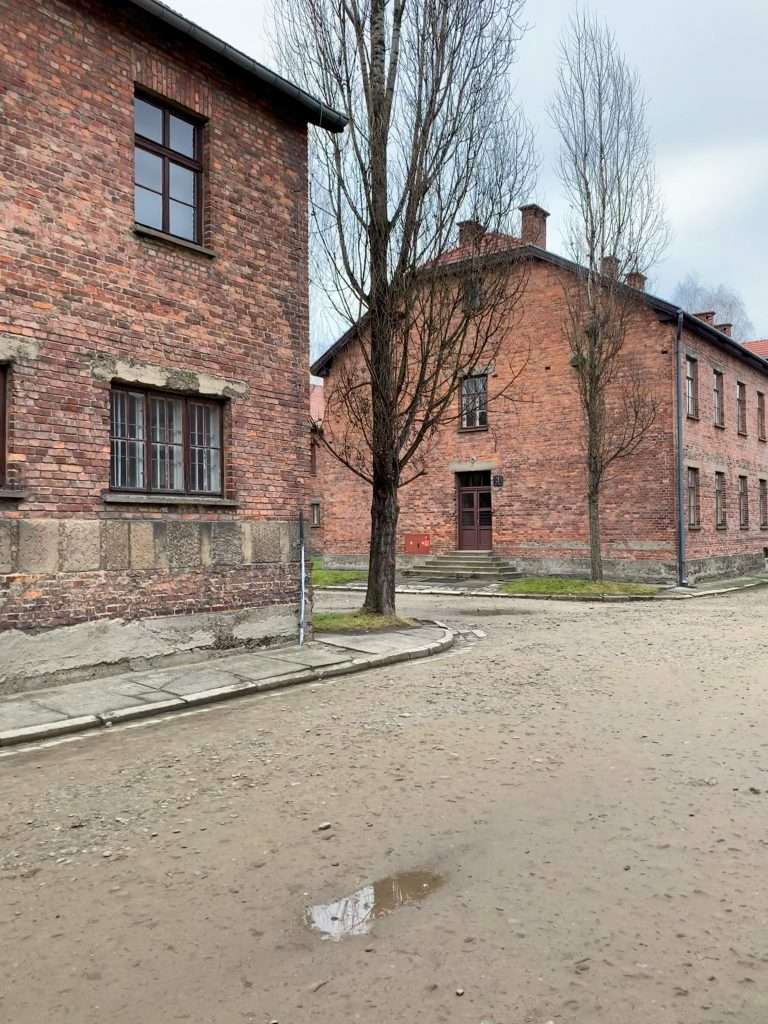
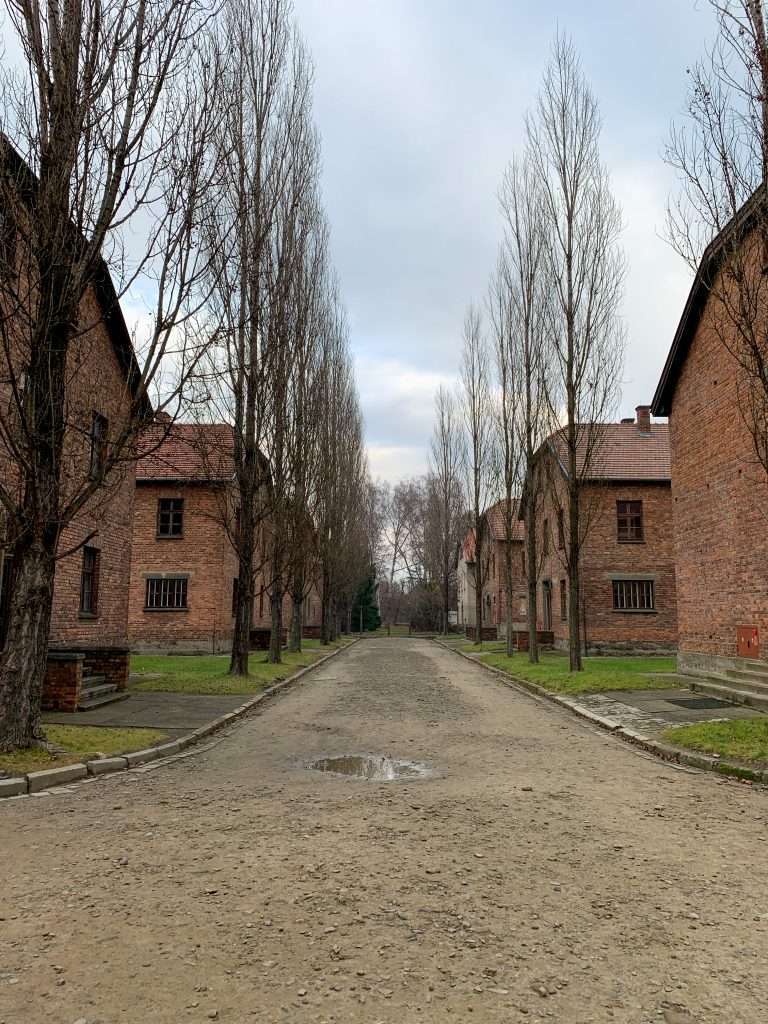
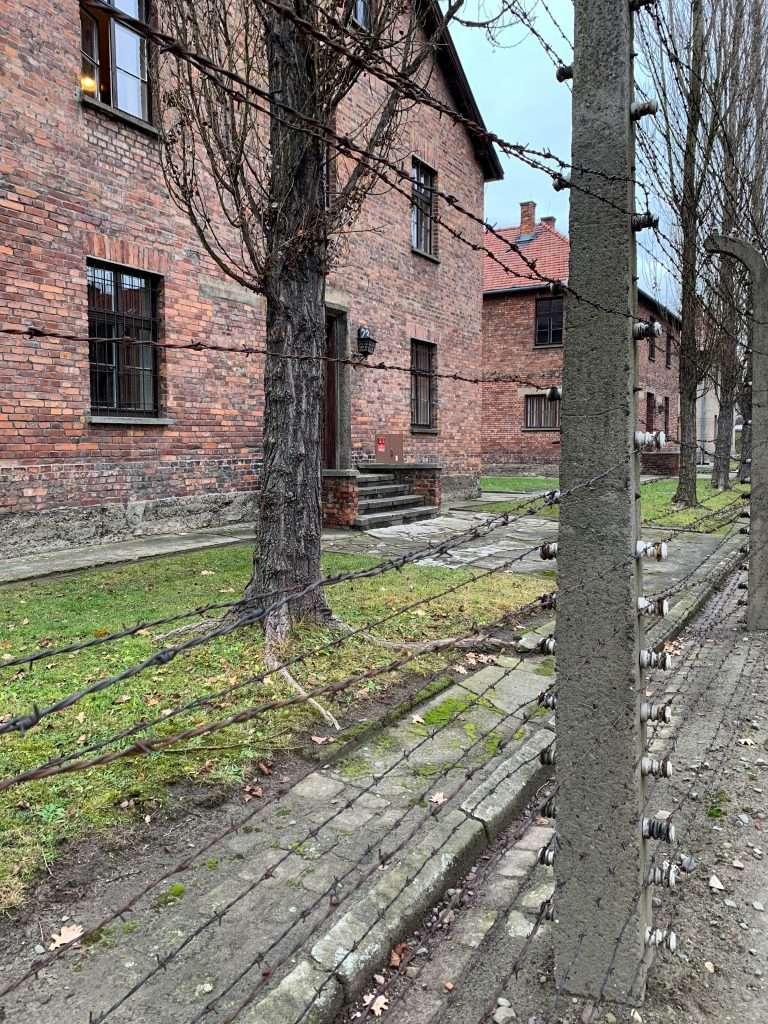
Formerly an army barracks, Auschwitz I was the original camp, having been established in April 1940, initially to house Polish political prisoners. The first gassings of Soviet and Polish prisoners happened here around August 1941. It was the main administrative headquarters of the camp.
Auschwitz II – Birkenau
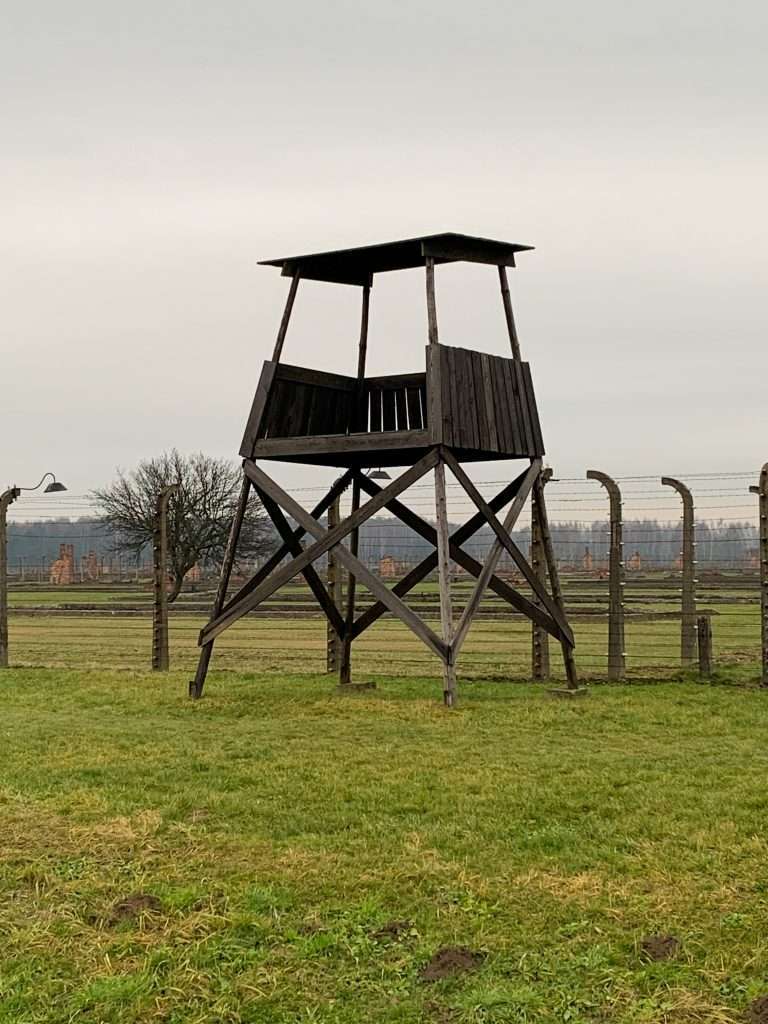
Construction of Auschwitz II began in September 1941 and from 1942 through to 1944 trains deported Jews from German occupied Europe to its gas chambers.

Some Other Facts and Figures
- 1.3 million people were deported to Auschwitz, of which, 1.1 million were murdered
- Auschwitz was unique in that its prisoners were tattooed – on the left breast for Soviet prisoners of war and on the left arm for civilians
- Auschwitz was liberated by the Red Army in 1945 but not before the retreating Nazis blew up the crematoria and buildings and force marched many of those still alive to other camps. Those too sick to move were left in the camps
- The first commandant of the camp was Rudolf Höss. He was found guilty of war crimes and was hanged outside the crematorium at Auschwitz I in 1947. However, many others responsible for this and other atrocities were never brought to justice
- Auschwitz-Birkenau was declared a UNESCO World Heritage site in 1979

The Best Way to Get to Auschwitz-Birkenau
Given its relative proximity to Kraków, a day trip to Auschwitz is entirely feasible and a popular choice for many visitors. There are various ways of getting there, however in my opinion, the best way to get to Auschwitz is by joining one of the guided tours on offer from Krakow.
I booked this tour:
The cost of the tour will depend on which option you choose. Options vary from a central location or hotel pickup through to an option for a private driver. Some tours may include an option for an included packed lunch, however it’s just as easy to buy some lunch the day before and take it with you.
The tour I chose included:
- hotel pick up
- English speaking tour guide
- transport to Auschwitz in an air conditioned bus
- entrance to Auschwitz I
- transportation to Auschwitz II-Birkenau
- entrance to Auschwitz II-Birkenau
- an English speaking tour guide at both camps
Tours can be anywhere between 3.5 and 11 hours long depending on which option you book. The tour I joined was a 7 hour trip and arrived back in Kraków around 5.30pm.
A quick lunch break at the coach park follows the conclusion of the tour of Auschwitz I. From there, it’s a short drive to Auschwitz II.
The tour was very popular and does get booked up so I would recommend booking in advance. Check availability here:
Another popular option is to combine visiting Auschwitz with a visit to the Wieliczka Salt Mine – if this is something that interests you then you can consider these options and book here:
Alternative Options for Getting to Auschwitz-Birkenau
If you are not a fan of group tours then there are several options available – keep in mind however that these options will not include your free entry card to Auschwitz or a guide:
1. Bus
A private shuttle bus and local buses depart Krakow for Auschwitz. Check the Lajkonik Bus site for tickets and schedules for local buses. Alternatively, you could consider booking this transfer between Krakow and Auschwitz.
2. Train
It is possible to get a train from Krakow to Auschwitz (search Oświęcim) however the train station is a couple of kilometres from the camp so you will need to either walk or look for local transportation to get there.
3. Taxi
Catching a taxi from Krakow is possible, however the cost will obviously be higher than the other available options.
4. Car
You could decide to rent a car and drive yourself, however car rental costs, petrol and road tolls may make this option more expensive too.
Auschwitz Tickets
If you are planning on visiting Auschwitz independently and without a guide, entry is free, however you do need to reserve an entry card online before you visit. Because of visitor volume (a lot of groups visit), such entry is restricted to certain times and in number. You should therefore plan well in advance – check the official Auschwitz Memorial site for up to date information.
You can also book a guided tour, although there is a charge for this – details are on the official site.
There is a free shuttle bus running between Auschwitz I and Auschwitz II-Birkenau.
When to Visit Auschwitz
Auschwitz-Birkenau is open all year, 7 days a week save for 1 January, 25 December and Easter Sunday. The opening hours are:
- 7.30am – 2pm (December)
- 7.30am – 3pm (January & November)
- 7.30am – 4pm (February)
- 7.30am – 5pm (March & October)
- 7.30am – 6pm (April, May & September)
- 7.30am – 7pm (June, July & August)
Visitors can stay on the grounds for 90 minutes after the last entry hour (e.g. 5.30pm in February or 8.30pm in July).
Advice for Visitors to Auschwitz
The official Auschwitz Memorial site does set out the rules for visiting so do read those before booking a trip. However I would also flag the following based on my own experience/observations:
- Visitors will go through airport type security before entering Auschwitz I
- Visitors should “observe the appropriate solemnity and respect” and “dress in a manner befitting a place of this nature”
- I visited Auschwitz in December and it was cold so do dress warmly in the winter months as you are outside for most of the duration of your visit
- Wear comfortable, supportive shoes – the grounds are rocky and uneven in places
- There are few, if any, places to stop and rest
- Those with disabilities will have difficulty in getting around the camps
- There is a size limit for backpacks and handbags (30cm x 20cm x 10cm)
- Photography (without flash) is permitted but not in those rooms which contain the hair of victims or in the basement of Block 11
- Auschwitz-Birkenau is not recommended for children under 14

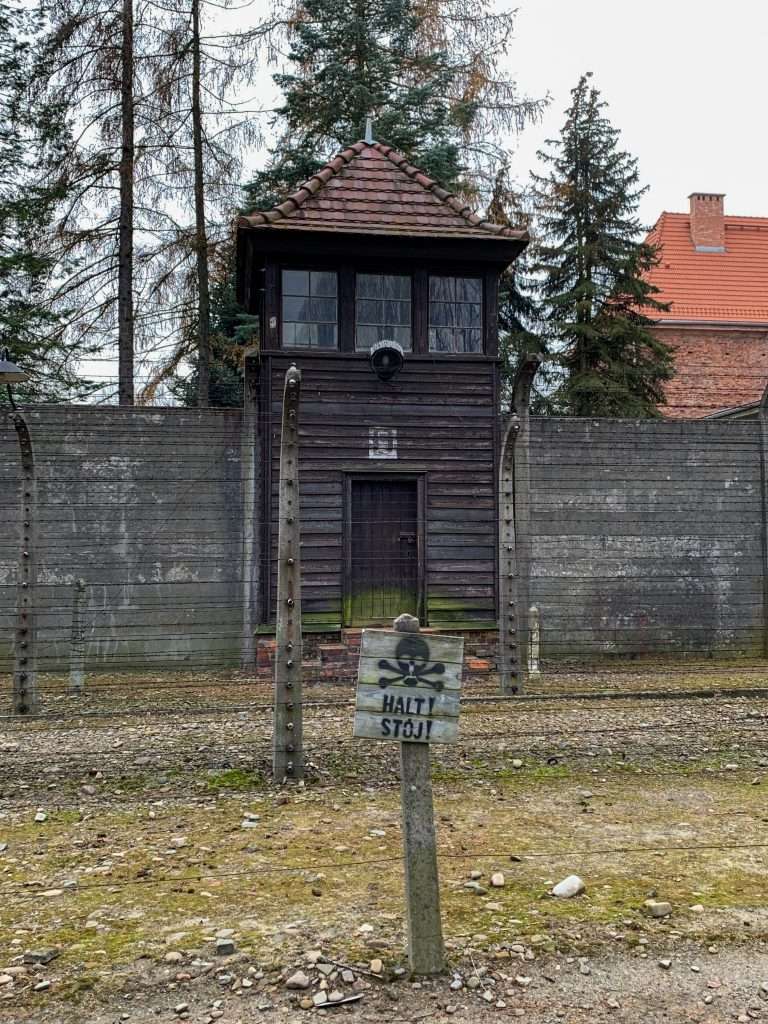
What to See at Auschwitz I
Set out below are some of the parts of the camp I saw and experienced during my guided tour – sadly there is a lot to see:

Entry Gate
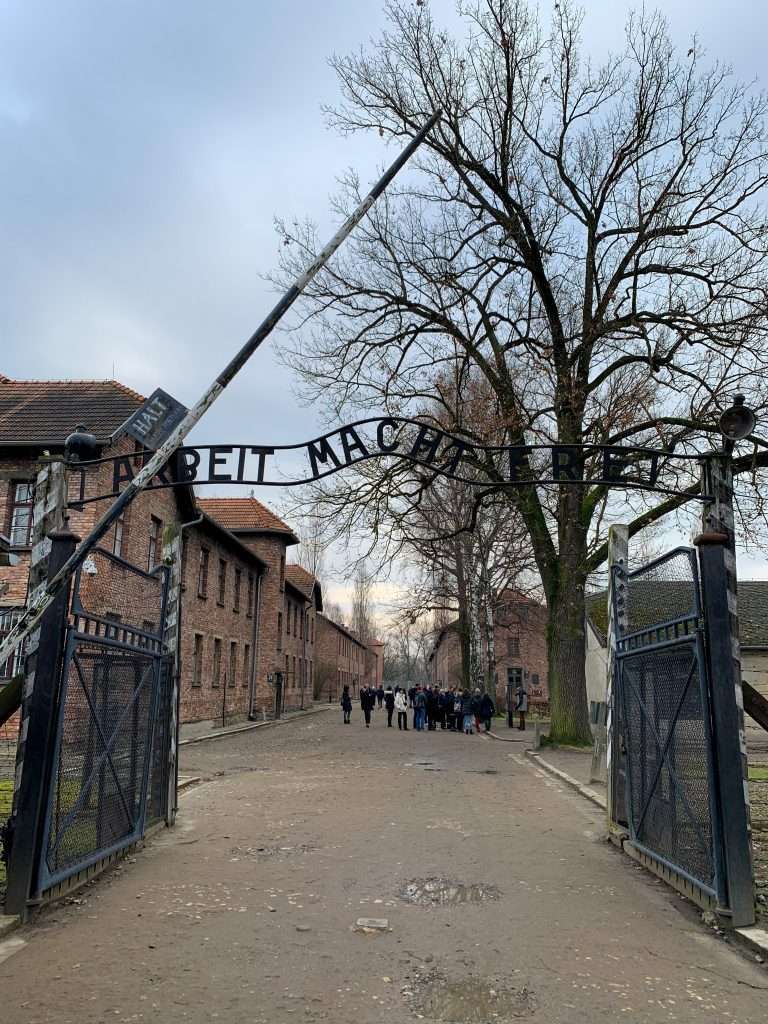
Your unforgettable visit to Auschwitz begins when you enter the camp through its infamous gate, above which reads the motto Arbeit Macht Frei (Work Makes You Free). I found this the first of many poignant moments.
To the right is a building with several chimneys – these are the kitchens.
Block 4
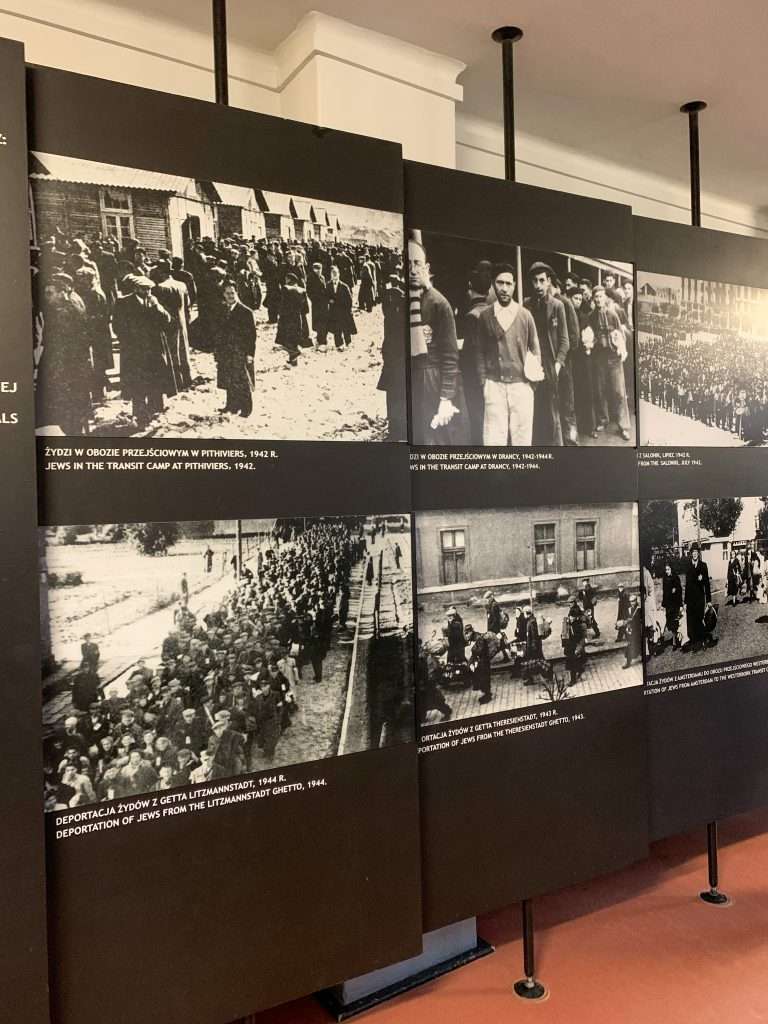
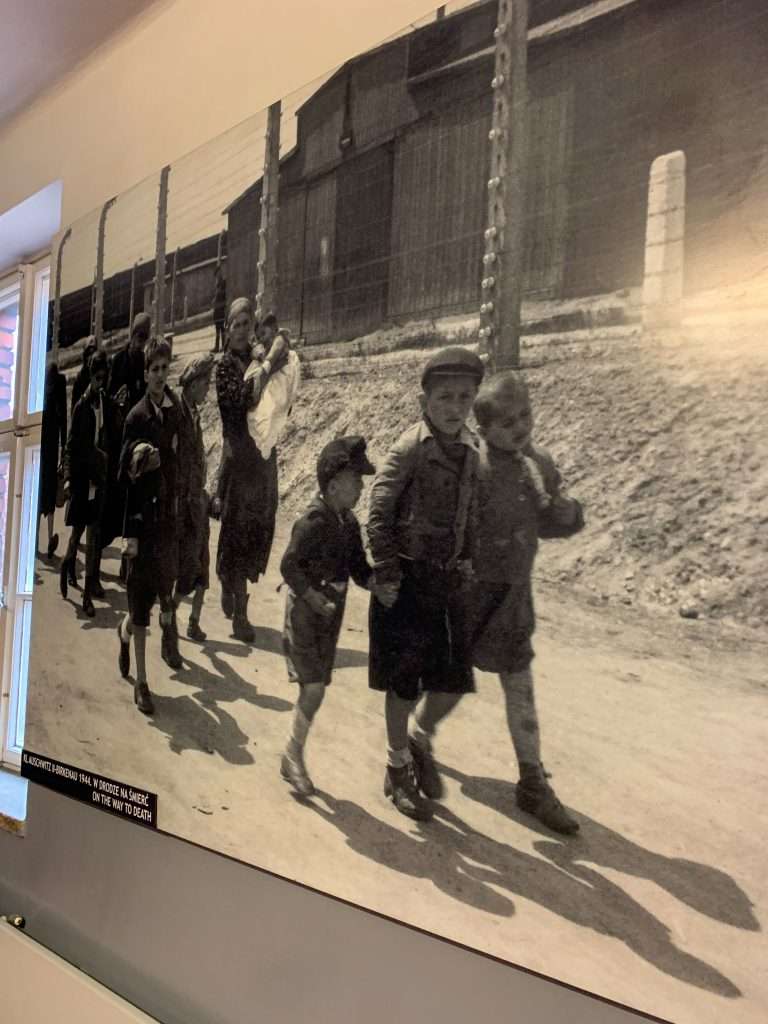
In Block 4 there is an exhibition telling the story of the camp through a series of photographs, including details about the creation of the gas used to murder prisoners. It is also in Block 4 where you will see prisoner’s hair.

Block 5
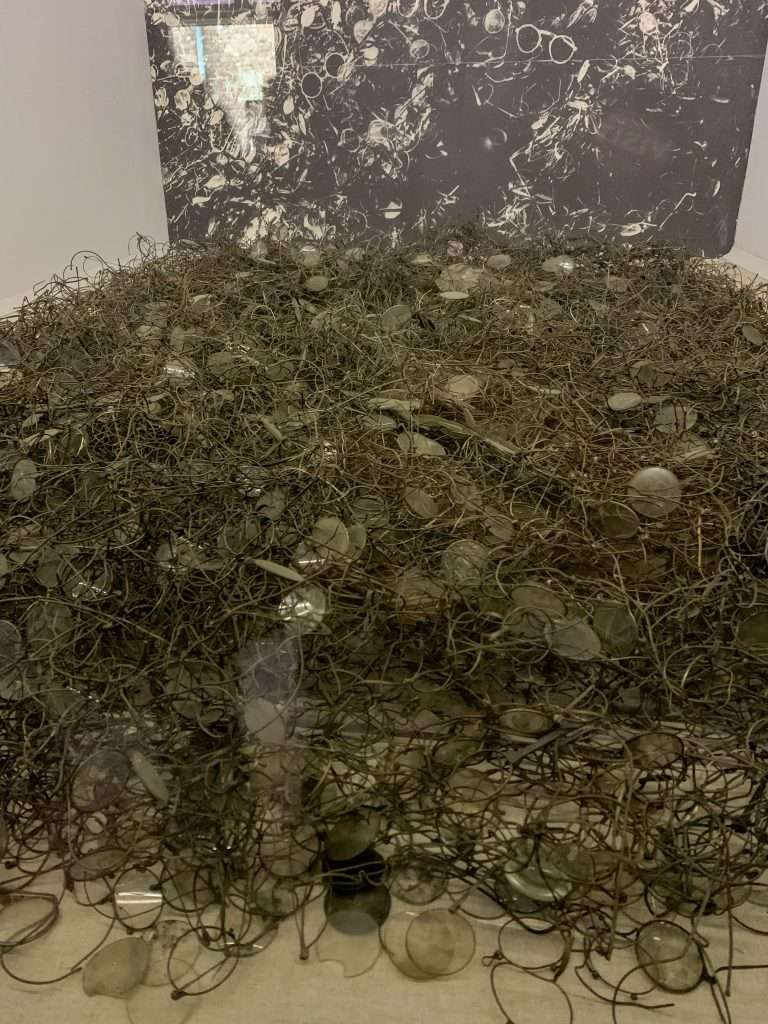
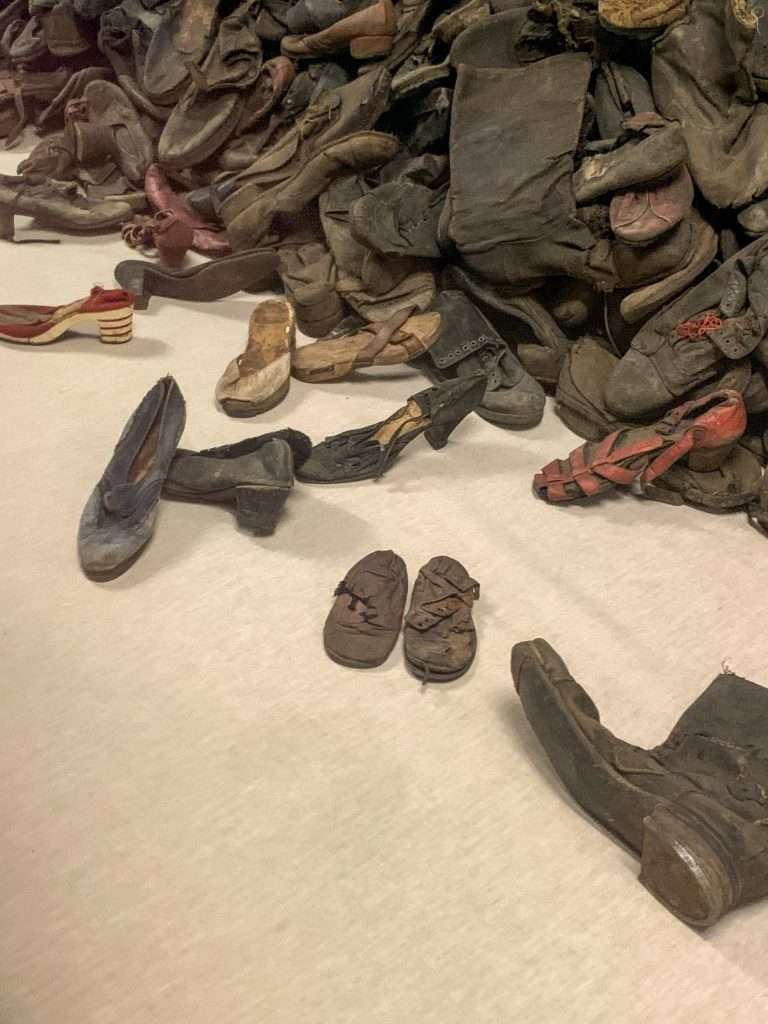
Block 5 contains displays of personal belongings, including spectacles, artificial limbs and footwear. The sheer volume of items is overwhelming let alone the thought that they once belonged to living, breathing human beings, each with a name and a family.
Block 7
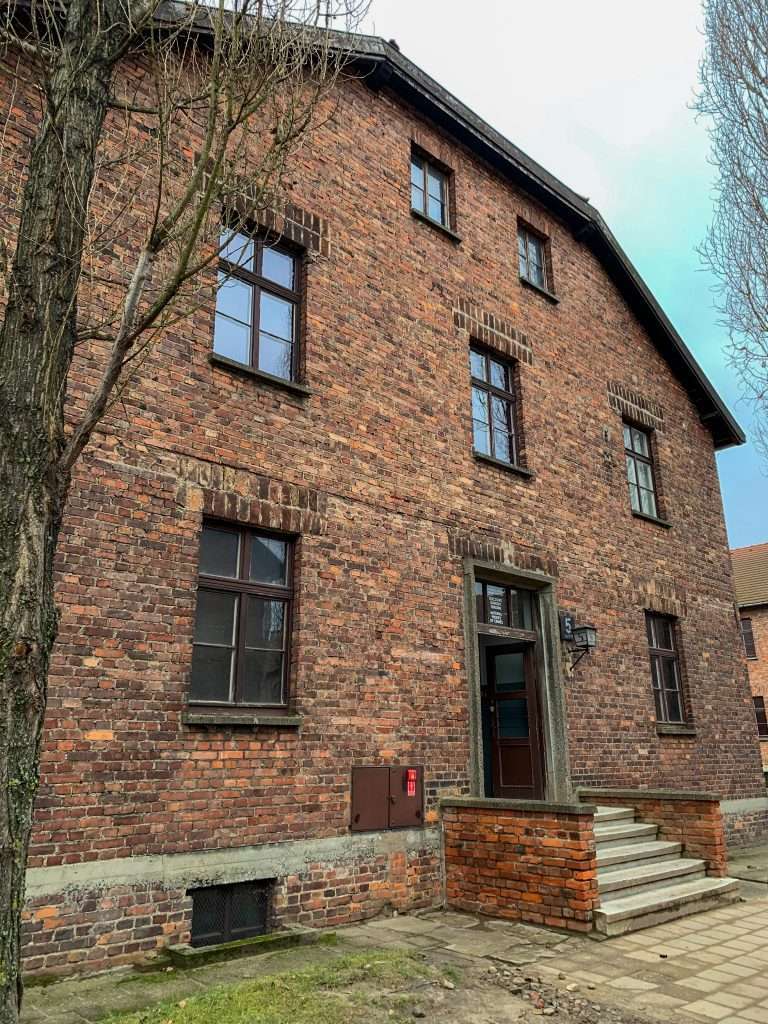
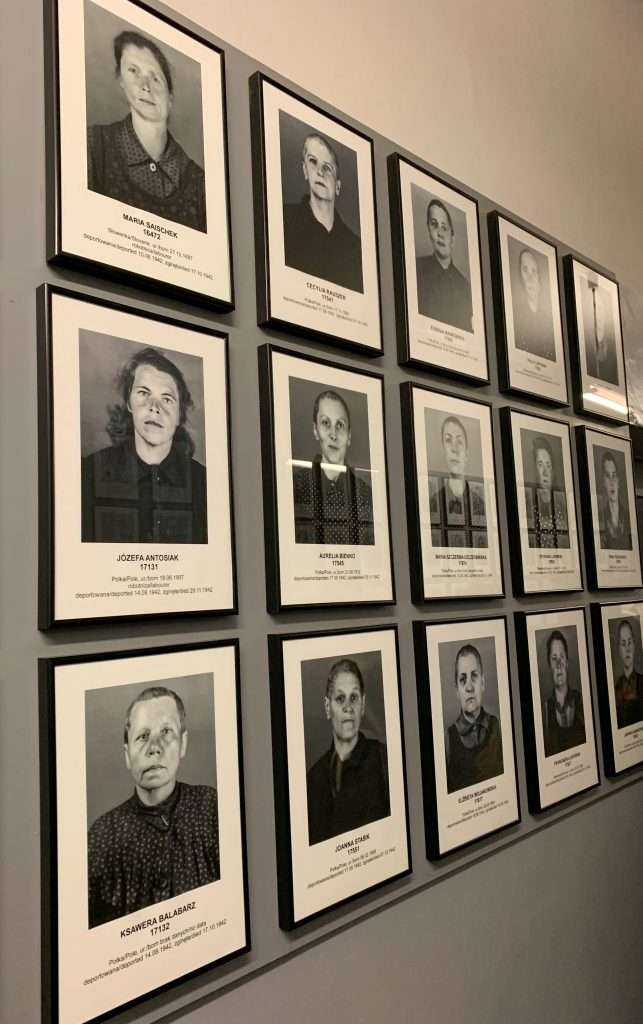
Block 7 contains an exhibit showing living conditions. So severe were these that many arrivals did not survive long periods of time – a display of prisoner photographs showing deportation dates and dates of death illustrates this in a stark manner.

Blocks 1 -10
Blocks 1 to 10 served as a woman’s camp from 26 March 1942 to August 1942 with almost 17,000 women held here. Those who did not die during this time period were transferred to Auschwitz II where the main camp for women was established.
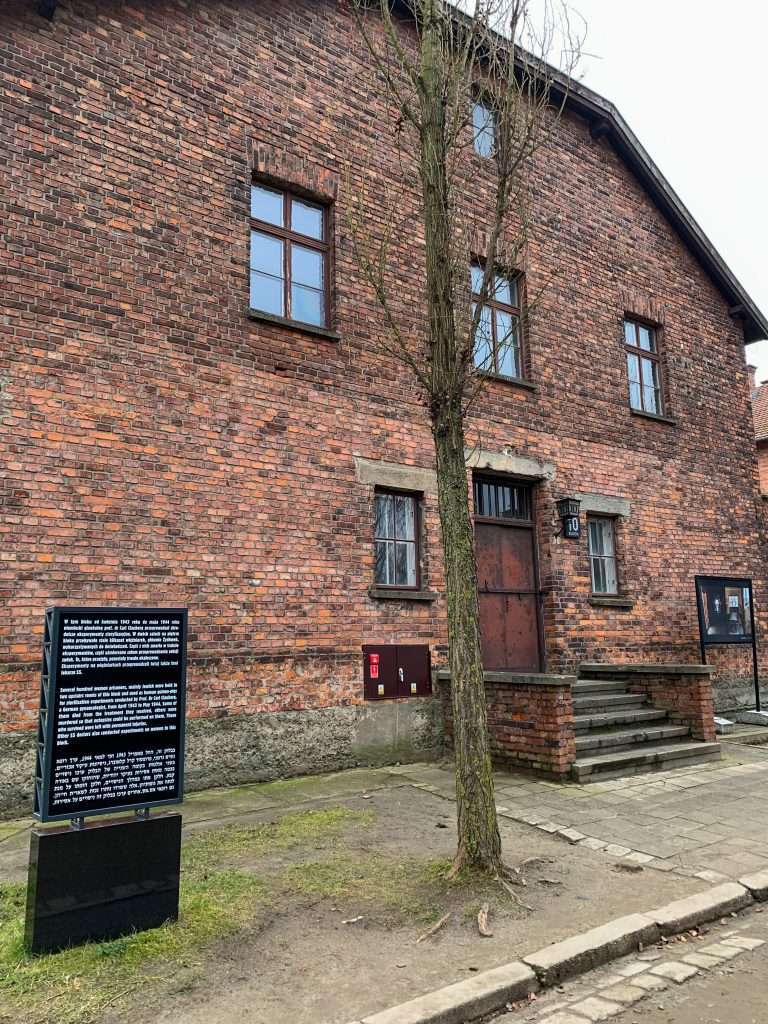
Many of the women prisoners were held in two upstairs rooms of Block 10 where they were subjected to sterilisation experiments.
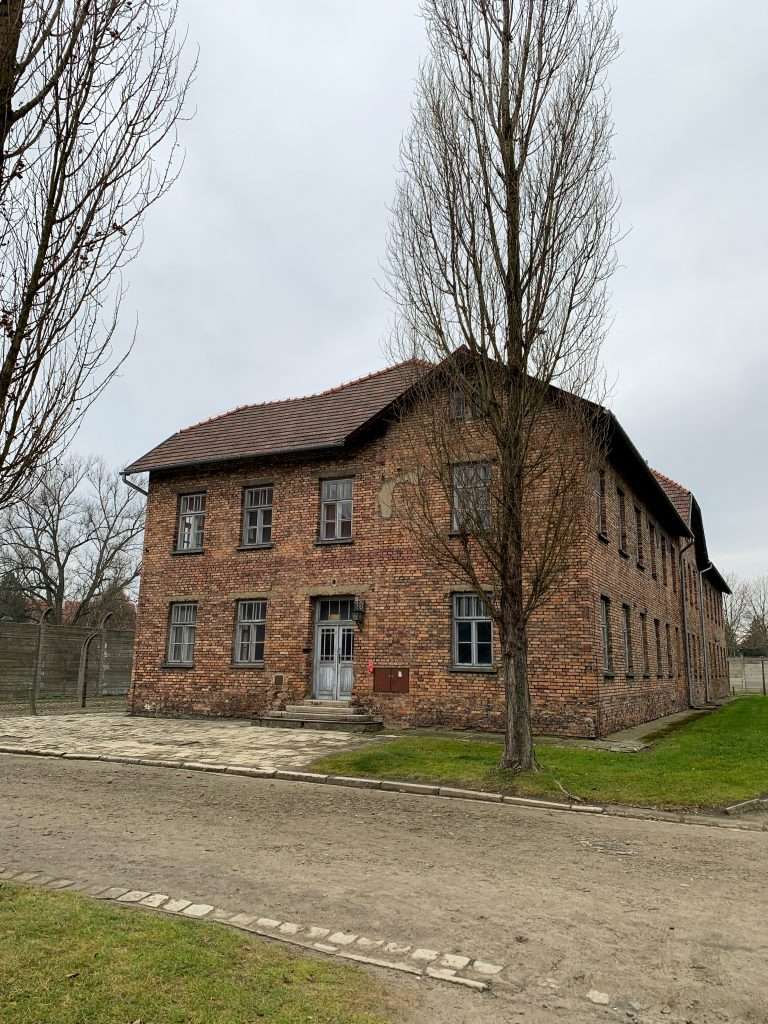
In the photo of Block 10 below you can see a good example of the information boards that are positioned around the camp. However, those on group tours have the benefit of a guide providing information.

The Death Wall and Block 11
Between Blocks 10 and 11 is a courtyard, at the end of which is the Death Wall. It was here that many prisoners were shot or endured terrible punishments. Block 11 was a prison within a prison and included the infamous standing cell where prisoners were, as the name suggests, forced to stand. Photography is not permitted here.
Blocks 19 – 21 and 28
The camp hospital was housed in these Blocks. Although the idea of a hospital seems hopeful, a lack of medication and care meant that many patients died. The SS were also known to carry out selections here, choosing those unlikely to survive for death either by lethal injection or in the gas chamber.

Roll Call Square and Collective Gallows
A roll call of prisoners took place three times a day until prison numbers became too great. It is also the site of a mass hanging of prisoners in 1941.


Gas Chamber
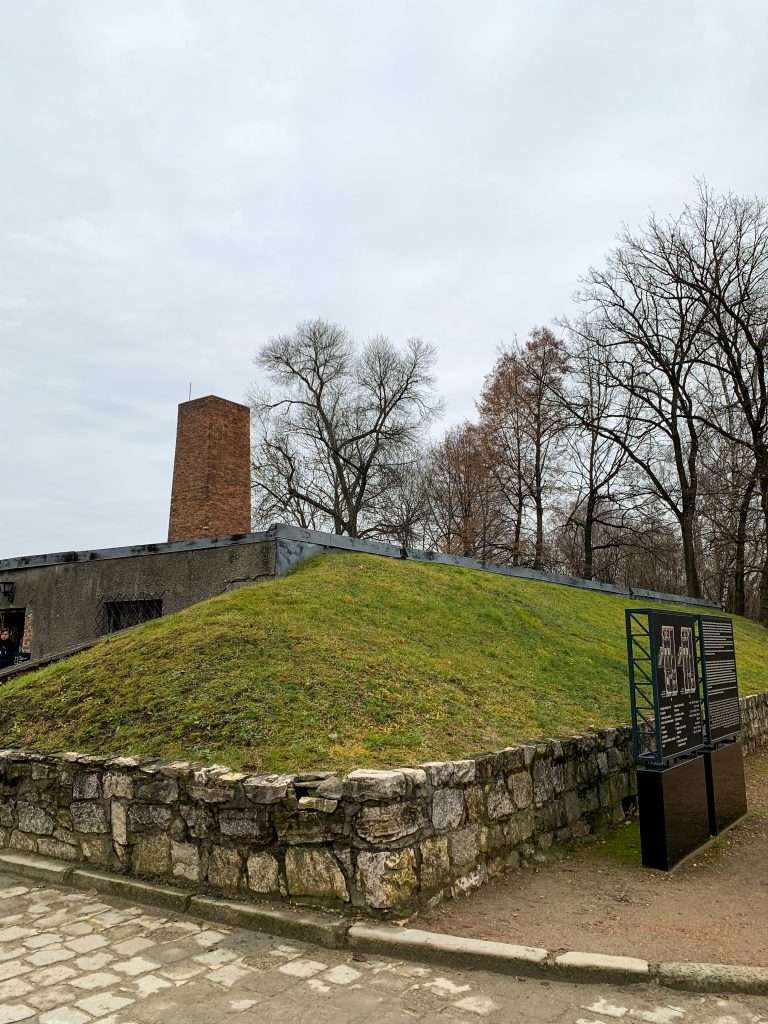
A reconstruction of the gas chamber and crematoria is located at the end of the row of blocks. The gas chamber functioned between 1941 and 1943, however with the construction of Auschwitz II-Birkenau it was dismantled and the building used as an air raid shelter by the SS.
What to See at Auschwitz II
A short drive from Auschwitz I you will find Auschwitz II-Birkenau. Below is a summary of what remains to be seen there:
Entry Gate
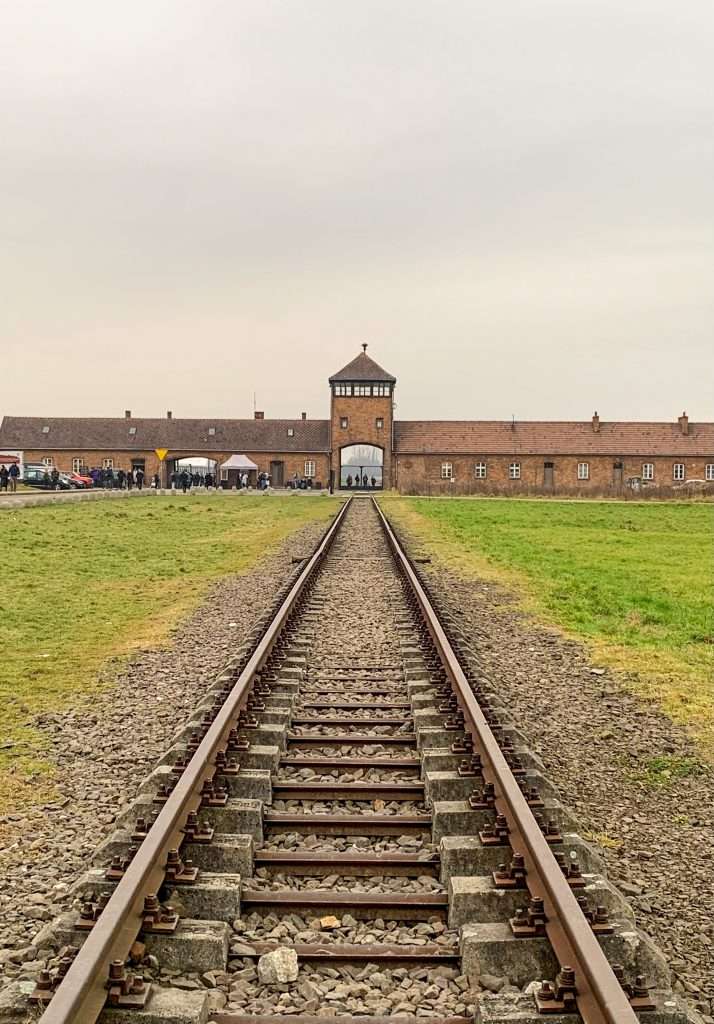
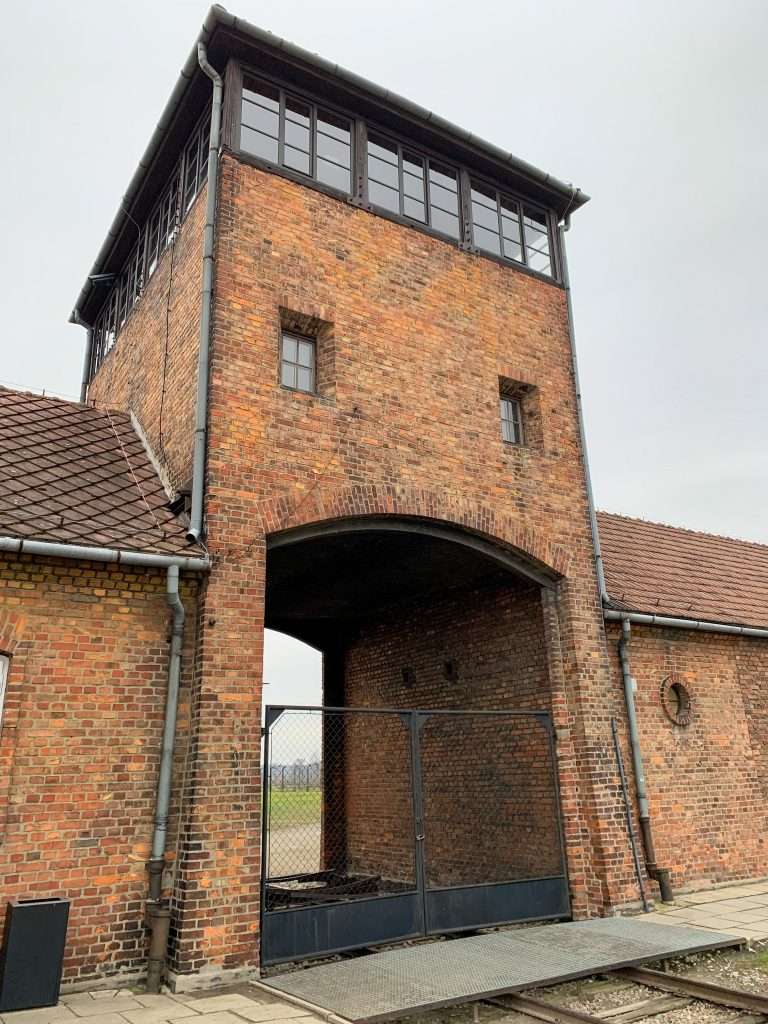
Entry into Auschwitz II is through the Gates of Hell, one of the few parts of the camp that is still intact. Notwithstanding this, you are struck on entering the camp by just how large it is. It really was extermination on an industrial scale.
Selection Platform
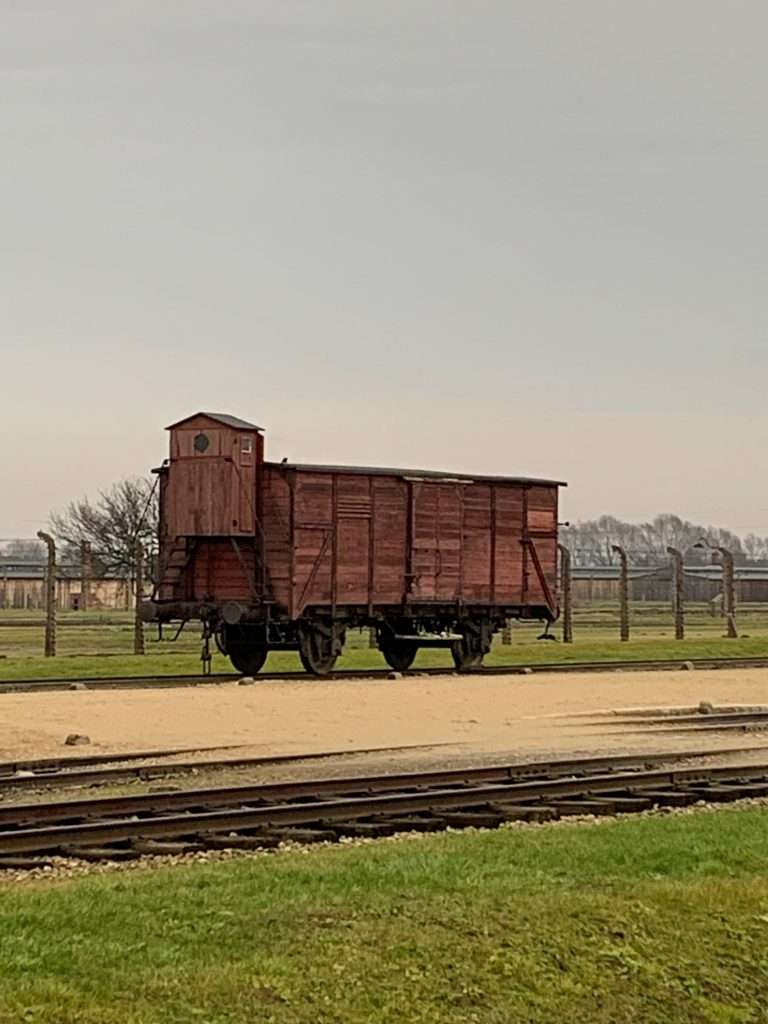
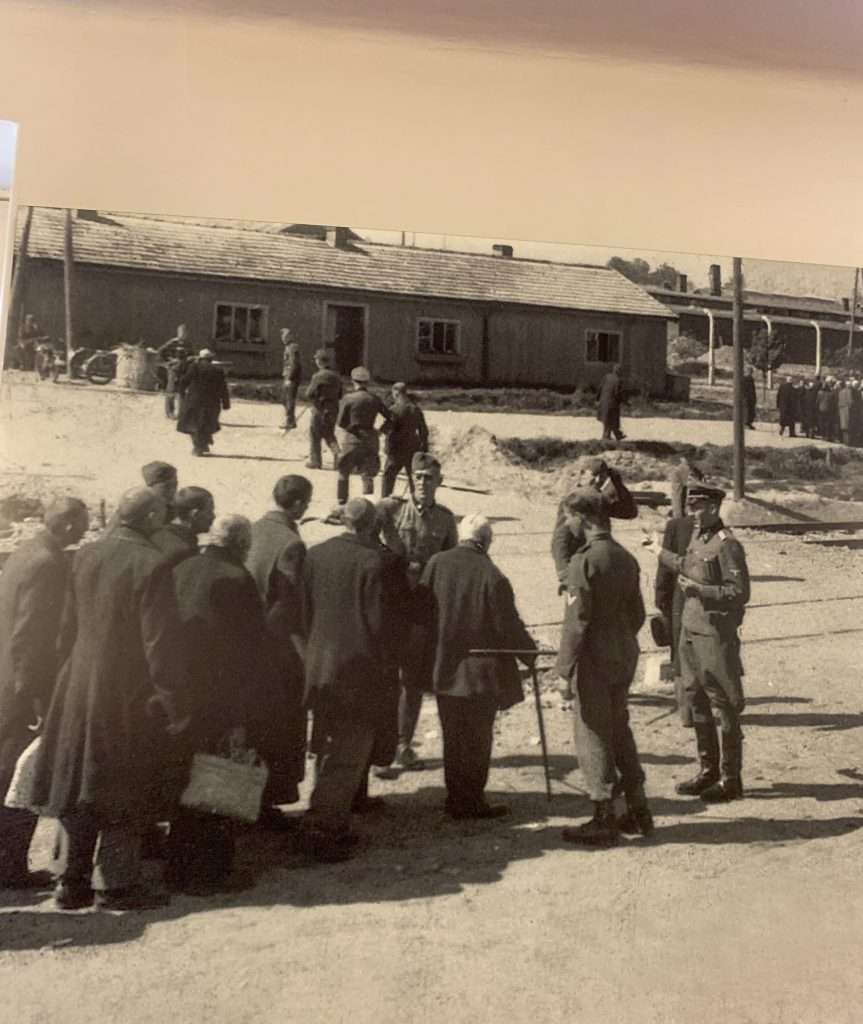
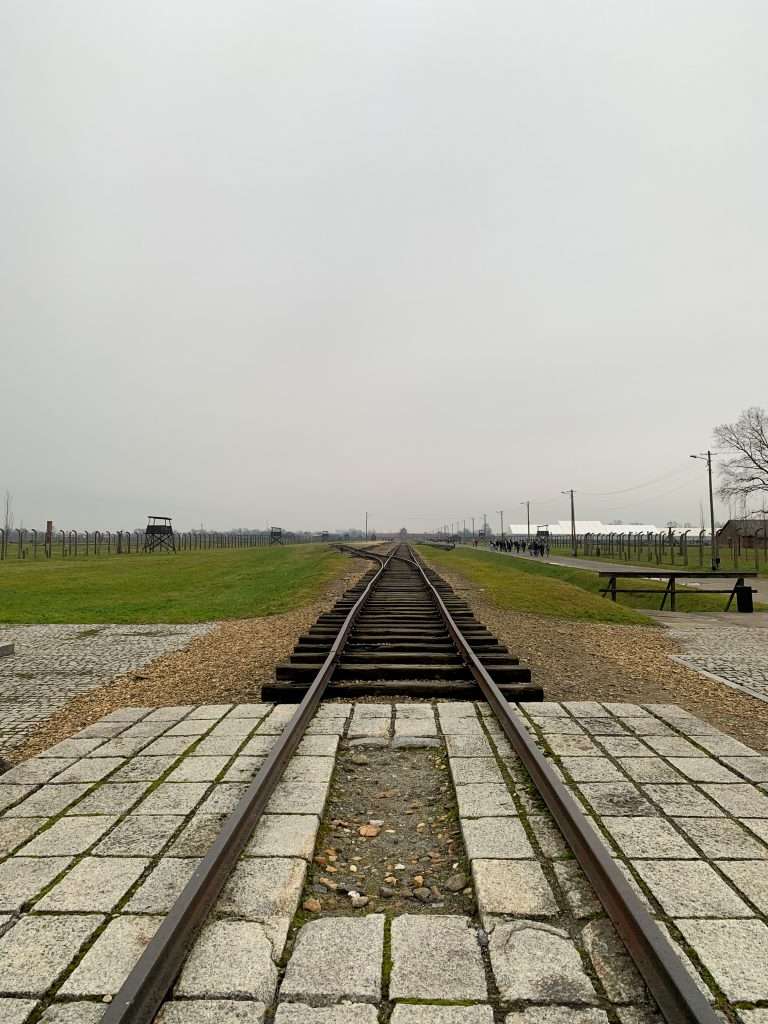
There is no dedicated route, just follow the railway tracks to the selection platform where the SS decided who would live in order to work and who would be sent immediately to the gas chamber.
Remains of the Gas Chambers and Crematoria
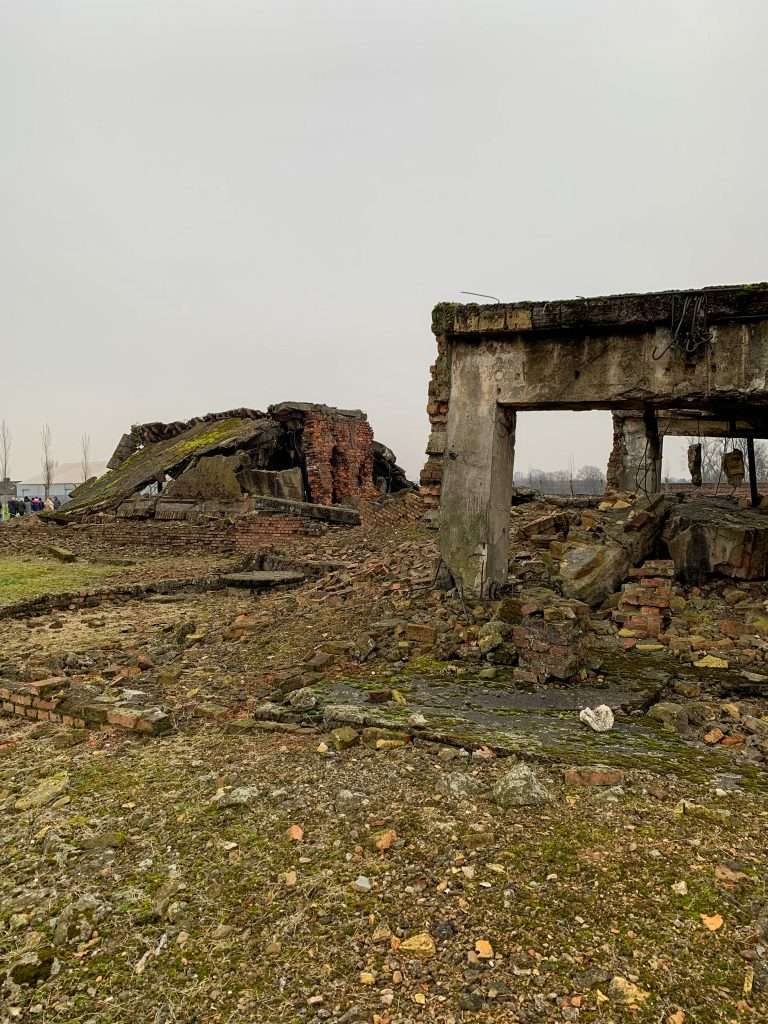
Continue following the railway tracks, eventually arriving at the remains of the gas chambers and crematoria blown up by the Nazis ahead of their evacuation of the camp in 1945.

Birkenau Memorial
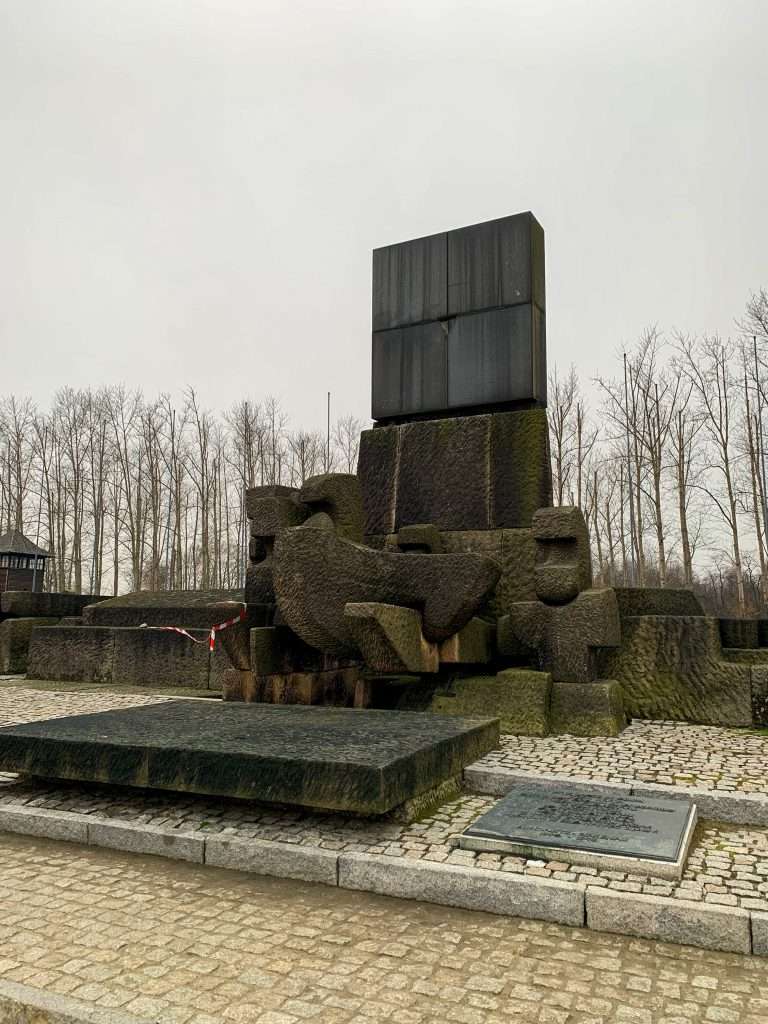
A simple memorial to all the victims of the camp is located at the end of the railway tracks. Rather movingly, the same inscription is repeated in the language of all the nationalities murdered in the camp.
Ash Pond
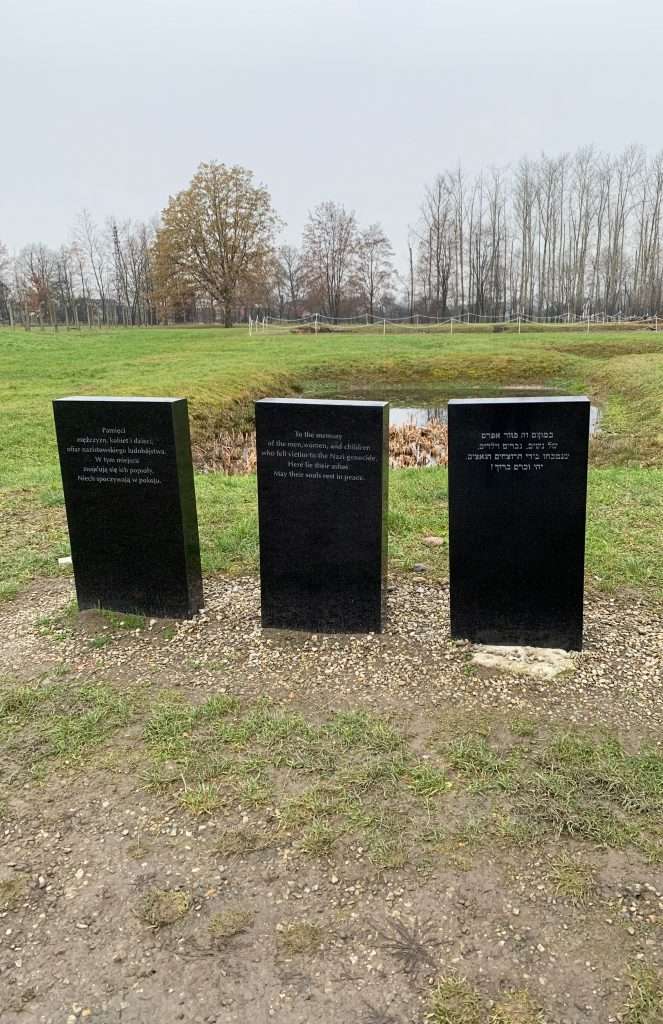
An Ash Pond containing the ashes of many victims is located near the ruins of the crematoria.
Reconstructed Women’s Barracks
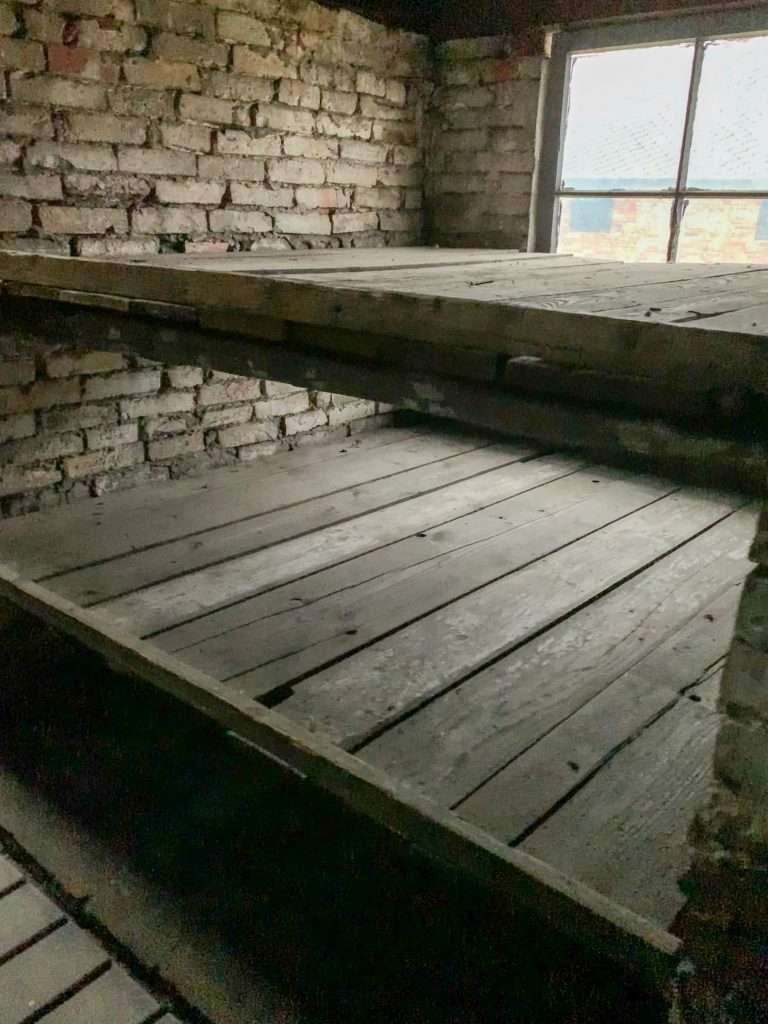
A reconstruction of the women’s barracks allows visitors to gain an insight into the dreadful living conditions.
Final Thoughts
A day tour to former death camp Auschwitz-Birkenau is not a fun day out by any means but it is a meaningful and unforgettable experience. Whilst it is relatively easy to travel to Auschwitz from Krakow, in my opinion, an organized Auschwitz tour is the best way to get there.
Regardless of how you choose to get to Auschwitz, I would highly recommend you add a visit to your Krakow itinerary.
If you’re looking for more things to do in Kraków, check out my post 14 of the Best Things to See in Krakow and if you love Christmas, then do read my guide on the Krakow Christmas Markets.
If you’re extending your trip, I’d also recommend exploring more of Poland with my guides to 14 of the Best Things to Do in Wroclaw and 12 of the Best Things to Do in Gdansk. Both cities offer something different from Krakow with their own interesting histories, beautiful architecture and plenty of memorable experiences.
For more travel inspiration and practical planning advice, visit my Resources page, where you’ll find tools and tips to help you plan your next adventure.
Disclaimer – Information correct at the time of writing but do check before visiting.

2 COMMENTS
Jenn
2 years agoI took a day trip to Auschwitz from Warsaw. It was a tremendously long, emotional day, but I’m so glad I did it. Even if you think you know history, it’s a different thing to experience standing there on the land where it happened.
Sarah
2 years ago AUTHORThanks Jenn, I totally agree. A definite must see in my view.